Grinding is usually about surface use
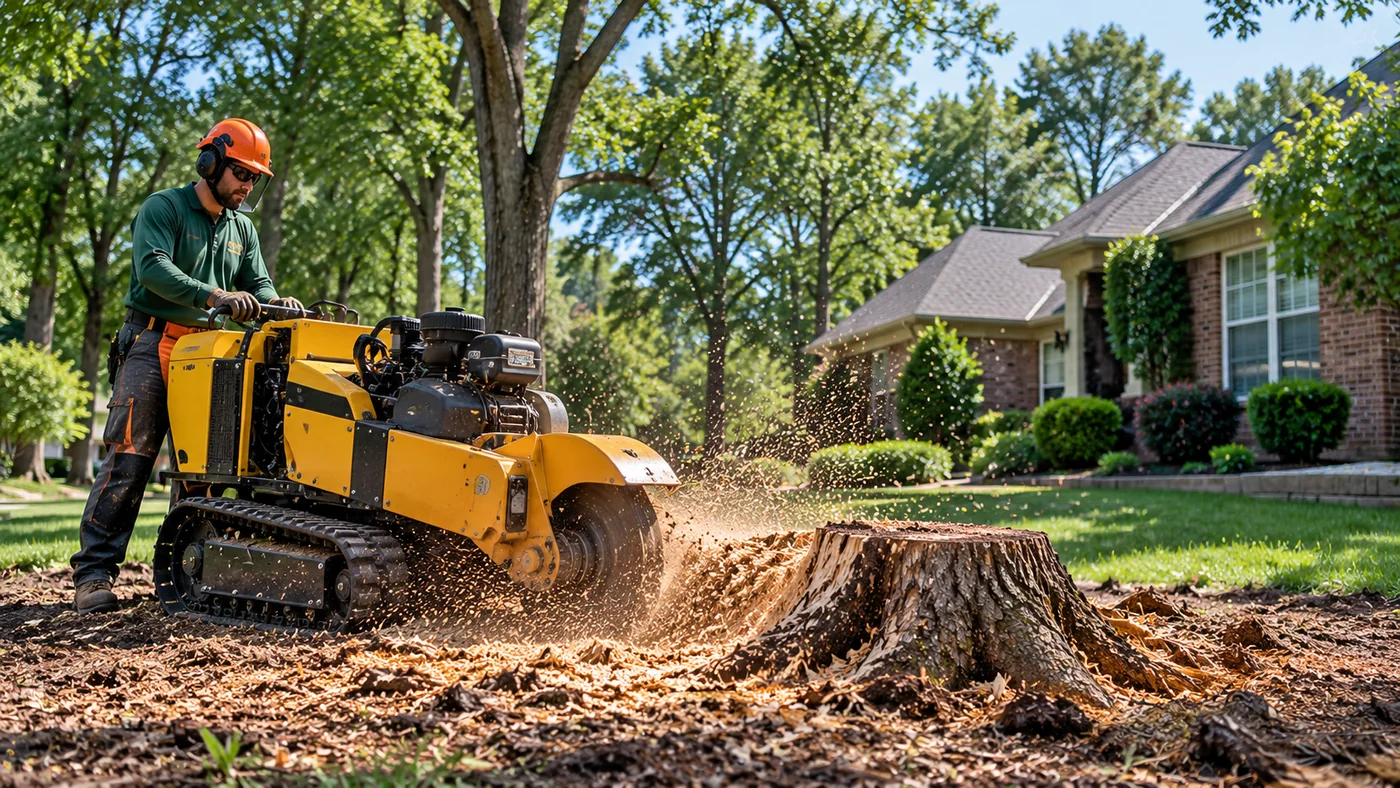
If the stump interferes with mowing, a planting bed, a fence line, general appearance, or ordinary yard use, grinding can reduce it below the surrounding surface without digging a large root mass out of the soil. The resulting chips can be left, partially removed, or hauled depending on the work. The cavity is then handled according to the intended use, often with additional soil for lawn restoration.
Full excavation is a different level of disturbance
Removing the central stump and major roots can require excavation equipment, a larger work area, and more soil restoration. That may be justified when a footing, driveway, pool, utility trench, or other construction element needs the space. It is usually unnecessary if the owner simply wants the stump out of sight and the lawn usable. Clarifying future plans prevents a grinding quote from being mistaken for construction-grade root removal.
Roots do not disappear when the stump is ground
Most of the root system remains underground after grinding and decomposes over time. Some surface roots can be chased or ground separately when included in the work, but it is not practical to grind every root that extended through the original root zone. If roots are lifting pavement or interfering with a structure, the contractor needs to understand that specific conflict rather than treating it as routine stump cleanup.
Access can decide what machine is practical
Stump grinders range in size. A fenced backyard with a narrow gate may require compact equipment and more time than a front-yard stump beside the driveway. Steps, retaining walls, slopes, soft ground, irrigation, and private utilities can restrict the work area. Measure gate width and mention known underground features before the crew arrives.
Wood chips affect restoration
Grinding can create more chip volume than homeowners expect because the machine mixes wood with soil and reduces a solid stump into loose material. Filling the cavity entirely with chips can lead to settlement as they decompose. If the goal is lawn, removing some chips and adding soil can create a better restoration base. The estimate should say who handles that material and how finished the area will be.
Bundling with tree removal can simplify logistics
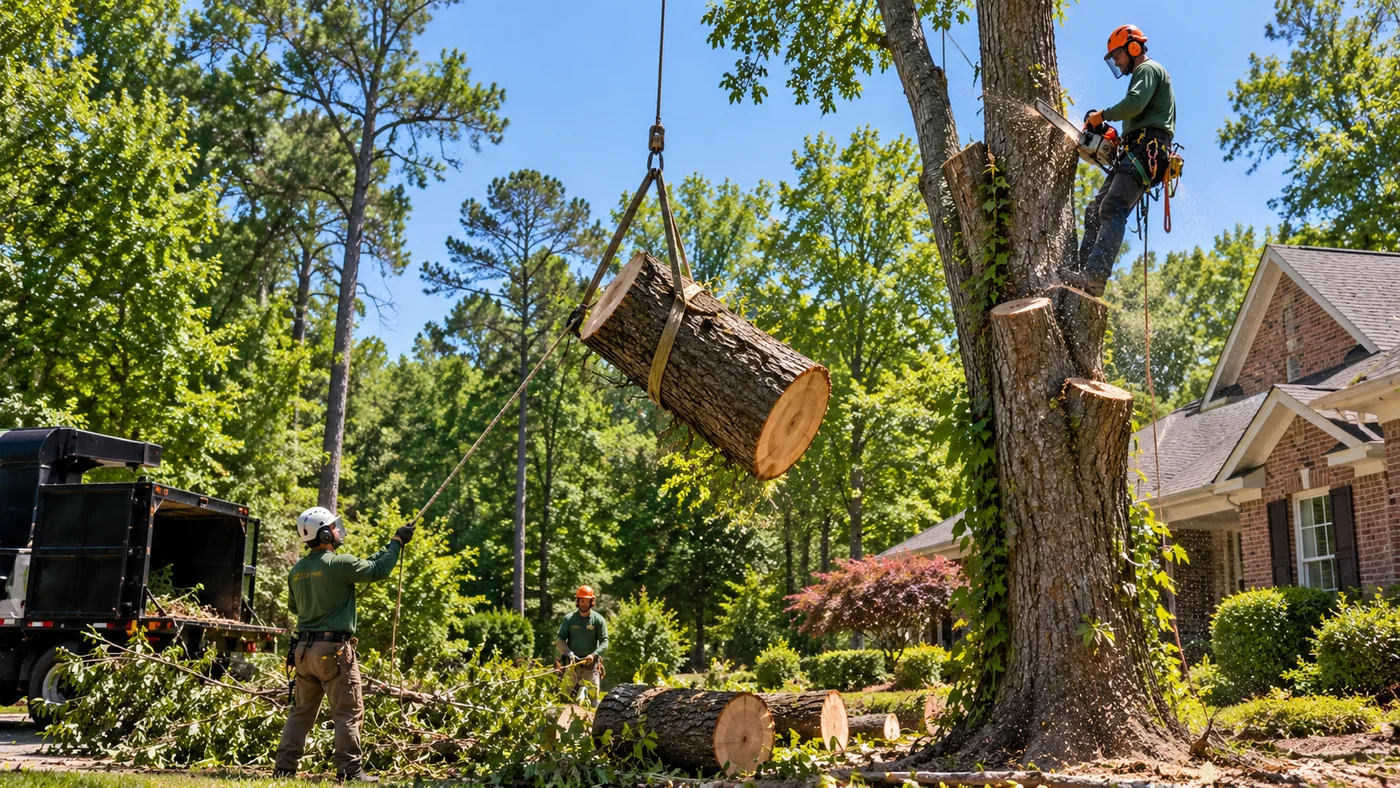
When a tree is already being removed, adding stump grinding can avoid a separate mobilization and finish the visible portion of the project in one coordinated visit. It still deserves its own line item or clear description so depth, root flare, chips, and restoration are understood. Multiple stumps can also be efficient to address together, but each stump's diameter and access still affect production time.
Choose based on what you plan to do with the area next
Tree work is site-specific. Species, size, condition, soil, root history, access, nearby targets, jurisdiction, and the owner's goal can change the appropriate recommendation. A guide can help you recognize useful observations and understand the vocabulary, but it cannot establish that a tree is safe, diagnose a disease with certainty, or create a fixed quote for a property that has not been reviewed.
When you request an estimate, describe what you see in ordinary language. Include the service address, city and ZIP code, number of trees or stumps, rough size, nearby structures or utilities, access limitations, urgency, and any recent storm or construction history. If you have a permit, HOA requirement, site plan, or previous tree assessment, mention it so the contractor knows the administrative context too.