
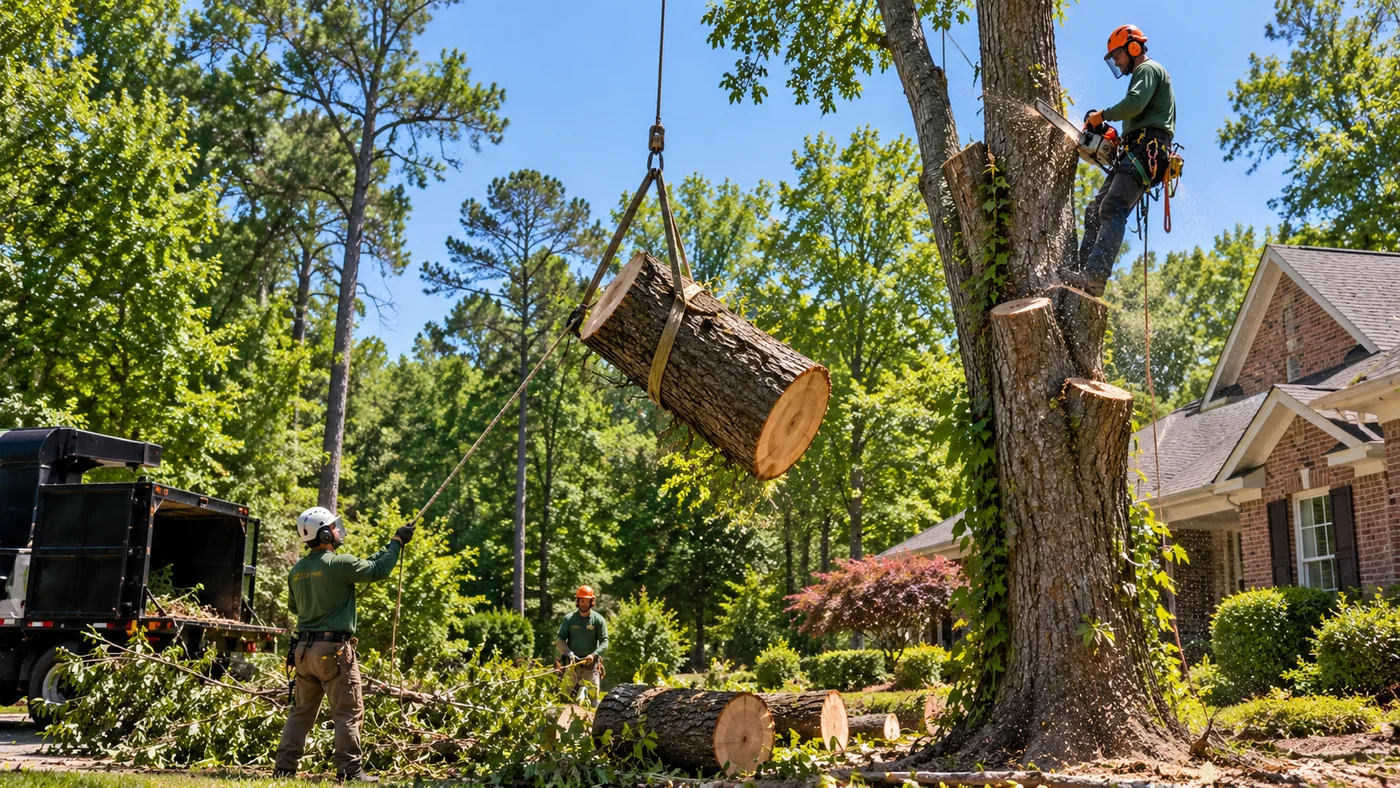
Tree Removal
Removal planning for dead, declining, storm-damaged, crowded, or poorly placed trees around homes, driveways, fences, businesses, and other property improvements.
Learn about tree removal →Tree removal, pruning, stump grinding, emergency service, commercial tree work, cabling and bracing, and tree-health help for South Fulton properties.
Different problems call for different work. Start with the service that best matches what you see on the property, and the contractor can confirm the right approach after reviewing the property.
Removal planning for dead, declining, storm-damaged, crowded, or poorly placed trees around homes, driveways, fences, businesses, and other property improvements.
Learn about tree removal →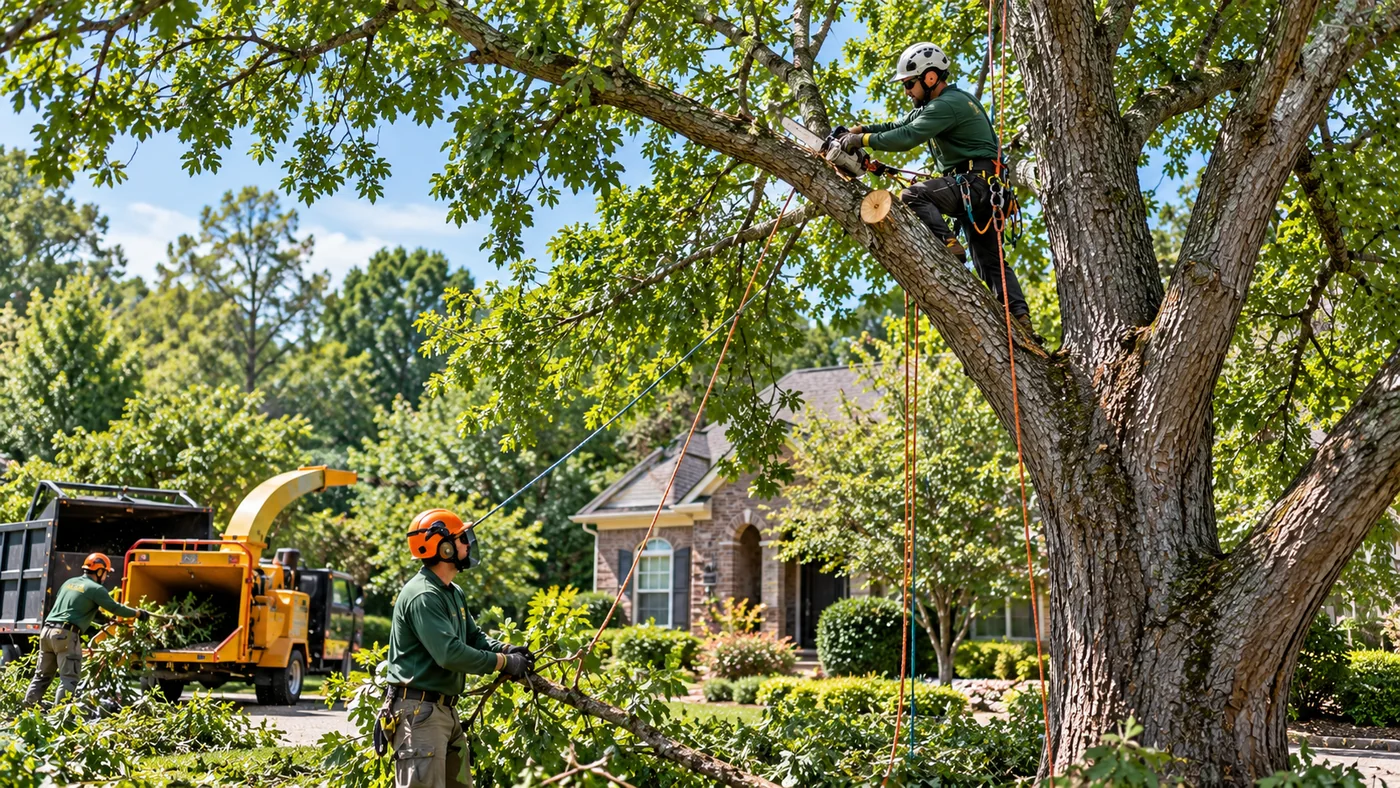
Purposeful pruning for clearance, structure, storm-damaged limbs, deadwood, canopy management, and long-term tree care on residential and commercial properties.
Learn about tree trimming & pruning →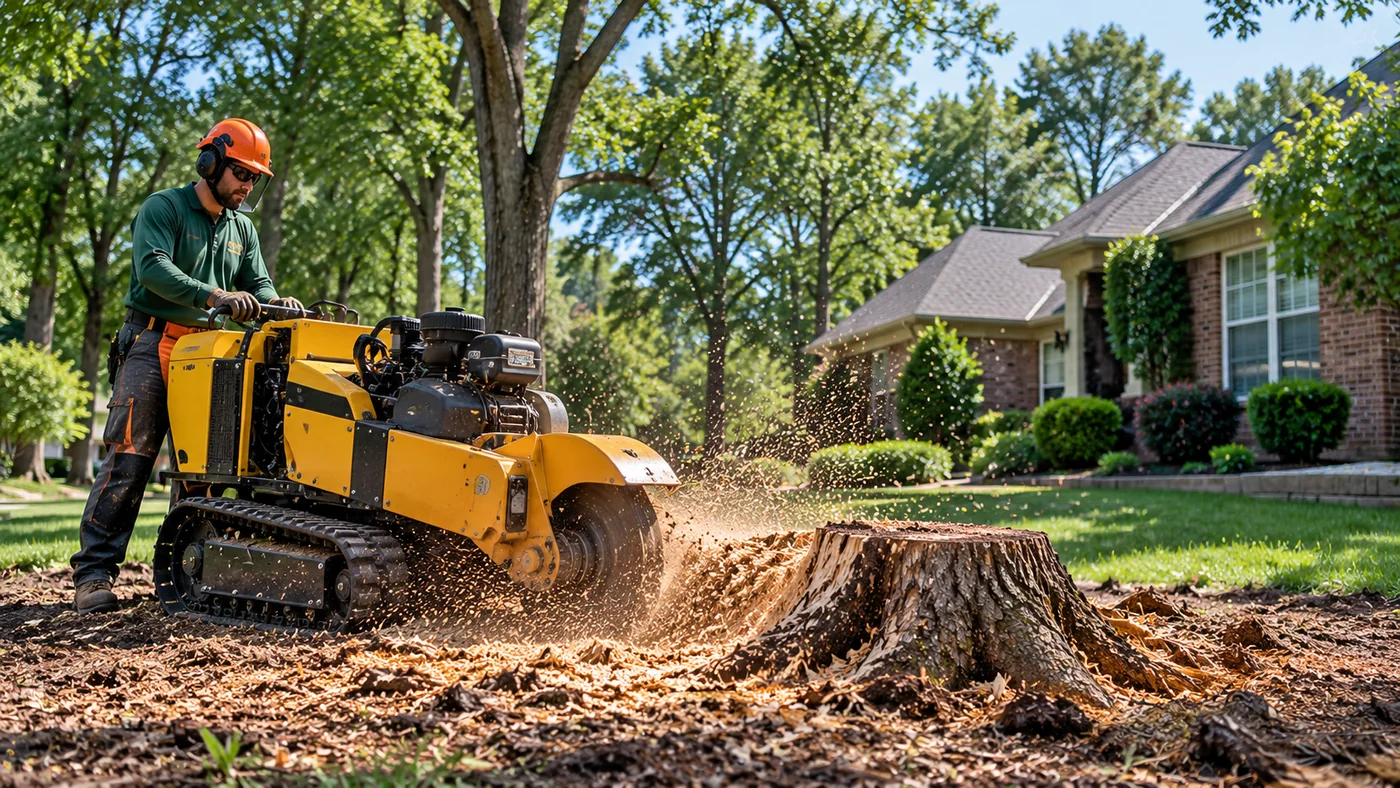
Stump reduction after tree removal for lawns, planting areas, fence lines, landscaping changes, trip-hazard reduction, and cleaner use of the property.
Learn about stump grinding →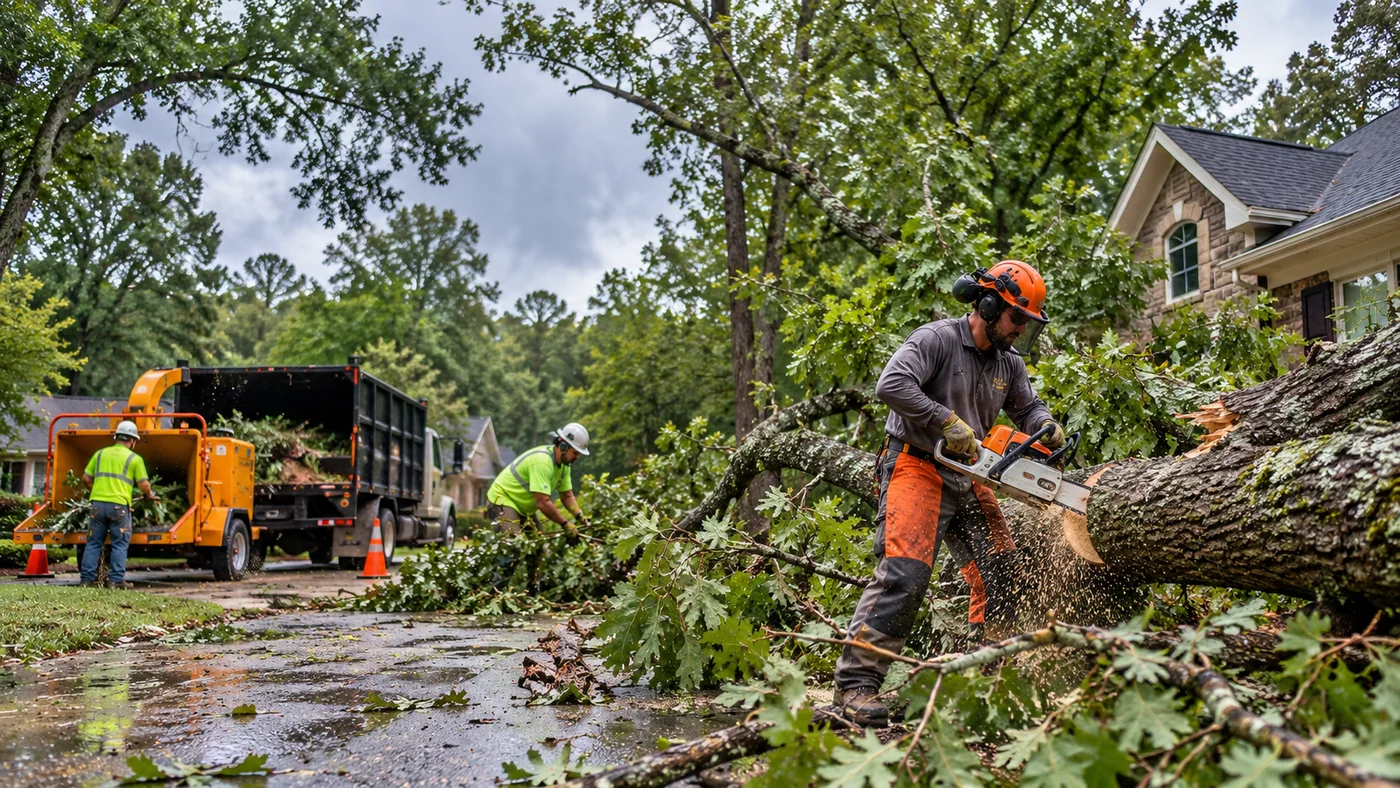
Help for fallen trees, hanging limbs, storm damage, blocked access, trees on structures, sudden leaning, and other urgent tree hazards.
Learn about emergency tree service →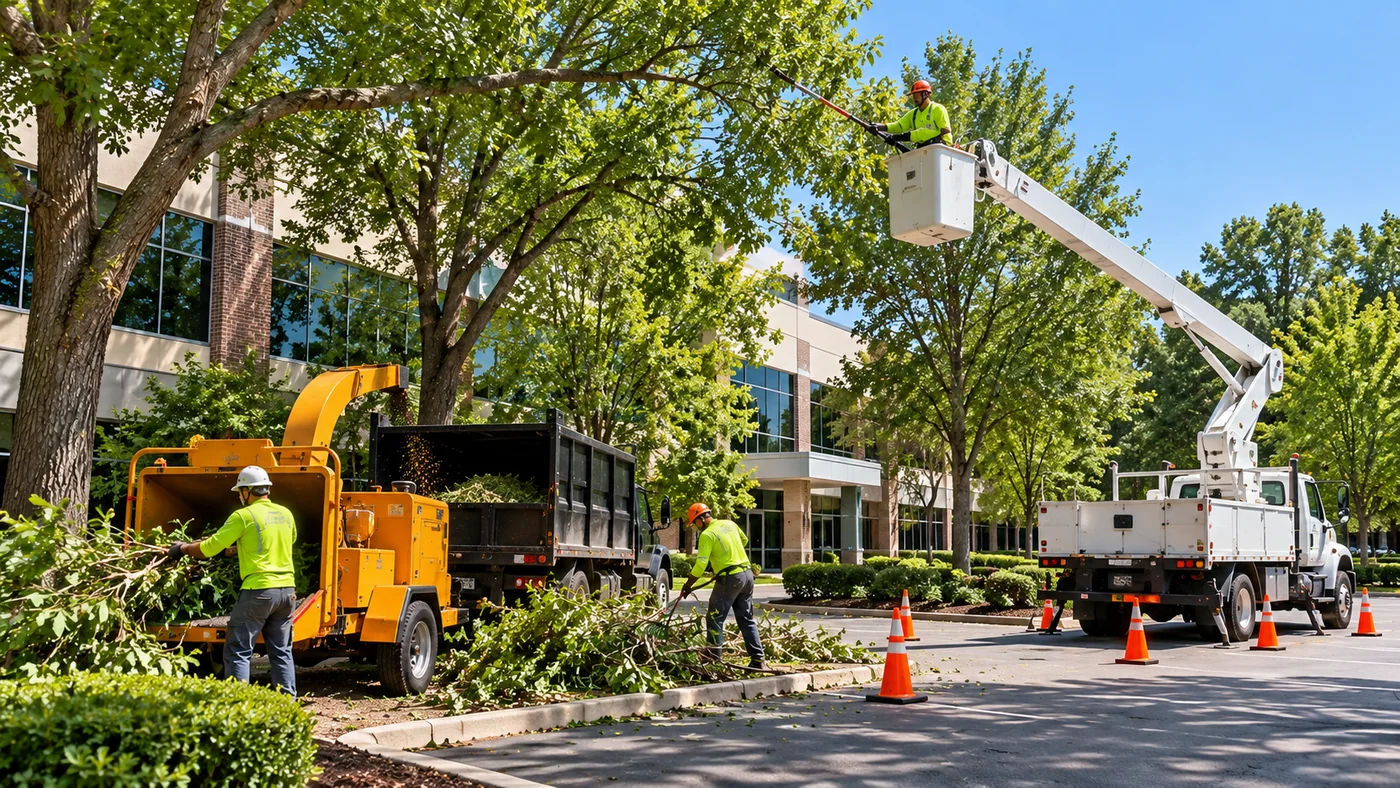
Tree work for offices, retail sites, multifamily communities, churches, industrial properties, institutions, HOAs, and managed properties.
Learn about commercial tree service →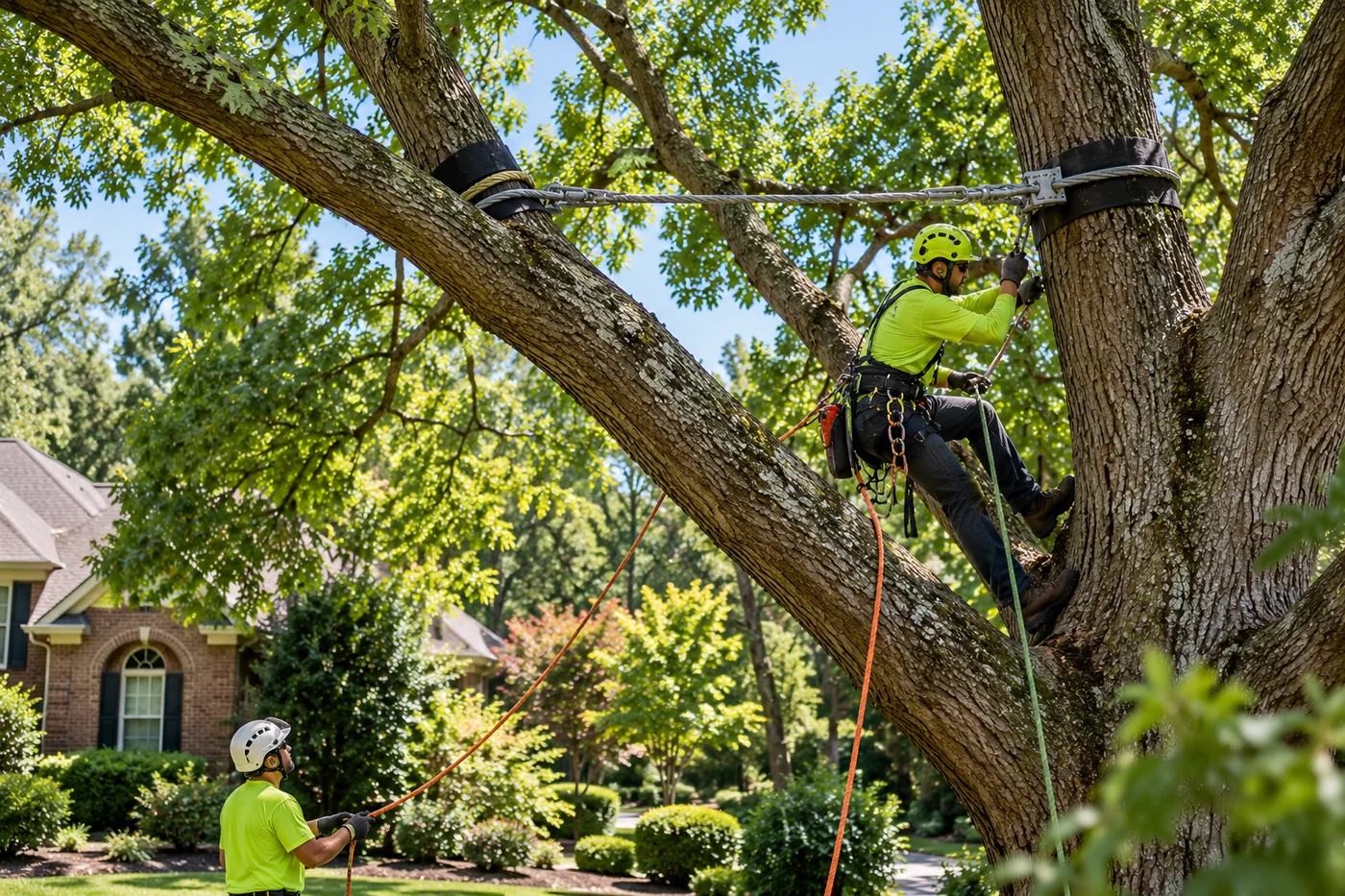
Supplemental support assessment for selected weak unions, co-dominant stems, heavy limbs, and mature trees where support may be one part of a broader risk-management plan.
Learn about tree cabling & bracing →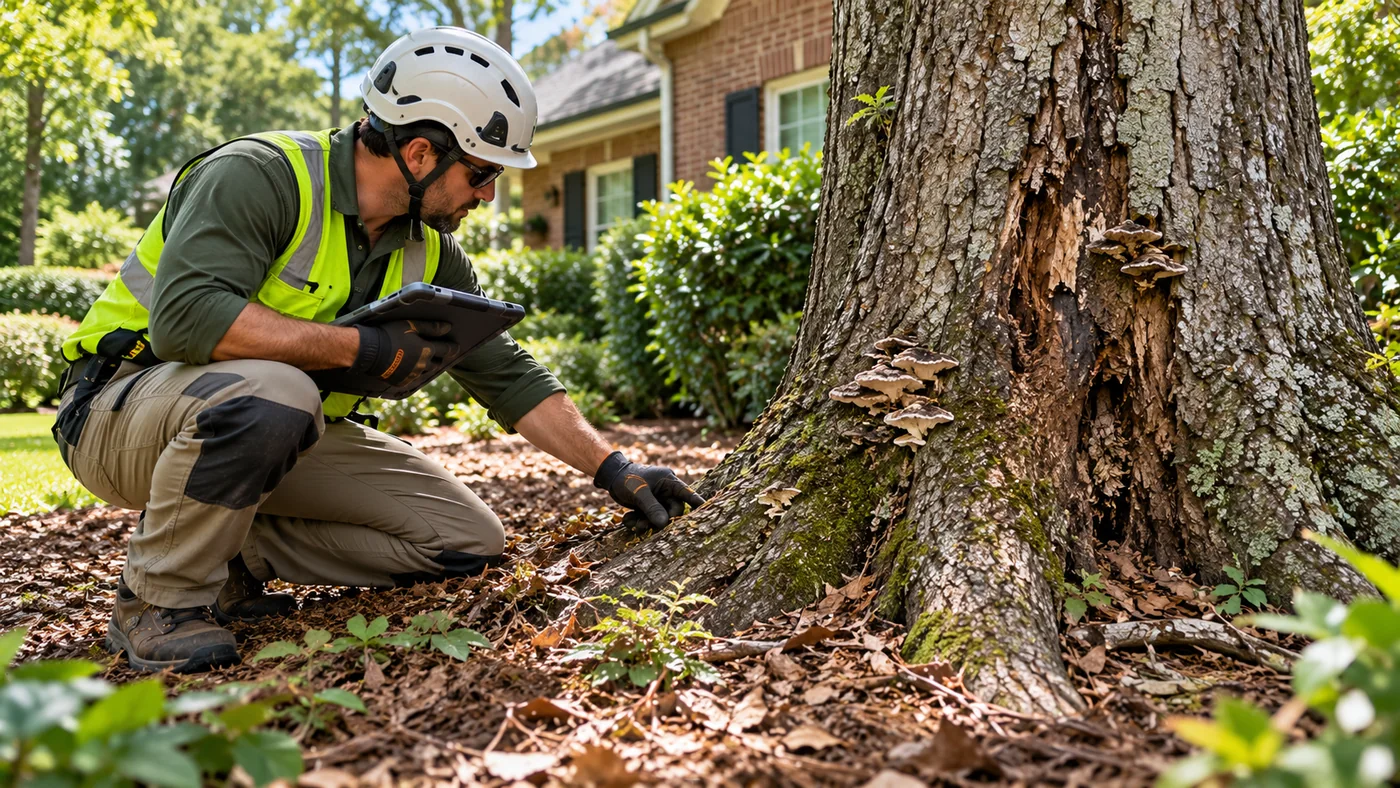
Assessment-oriented help for declining canopies, leaf discoloration, dead limbs, decay, mushrooms, root stress, pests, construction injury, and other signs that a tree is changing.
Learn about tree health & disease care →If the main concern is that the whole tree may need to go because it is dead, severely damaged, poorly located, repeatedly failing, or in conflict with a project, start with tree removal. If the goal is clearance, deadwood, selected storm damage, young-tree structure, or a specific branch problem while keeping the tree, trimming and pruning is the more useful path.
When the tree is already gone and the remaining stump interferes with mowing, landscaping, a fence, or future use of the area, the question is usually stump grinding. Grinding reduces the stump and root flare below grade but is not the same as excavating the complete root system. If a construction project needs the entire below-ground obstruction removed, mention that future use before the work is written.
For fallen trees, hanging limbs, blocked driveways, new severe leaning, or trees on structures, use the emergency tree service page. Emergency tree service focuses on the immediate hazard first. When electrical lines are involved, stay away from the area and contact the appropriate utility or emergency service rather than trying to move the tree.
A tree with a weak union or heavy stem may sometimes be a candidate for cabling and bracing, but support hardware is not a universal alternative to removal. A contractor has to look at the defect, wood condition, root condition, canopy load, and targets before recommending support. Some trees need companion pruning, some need monitoring, and others are not suitable to retain.
When the concern is thinning foliage, mushrooms, dead branches, unusual leaf color, pests, construction damage, root stress, or unexplained decline, begin with tree health and disease care. Not every symptom points to an obvious disease. In Georgia, site history, soil, drainage, roots, weather, and structural conditions can be just as important as a pathogen.
Commercial properties use the same tree biology but a different operating environment. Commercial tree service accounts for parking, tenants, customers, sidewalks, traffic, loading, work windows, multiple trees, and phased budgets. A clear commercial work can separate immediate hazards from routine pruning and lower-priority work.
Gate width, slope, soft ground, retaining walls, long drives, shared access, parking, and whether trucks or lifts can reach the work area.
Homes, roofs, fences, pools, roads, vehicles, neighboring property, utilities, sidewalks, signs, and other things that change risk and rigging.
Brush hauling, log handling, stump grinding, chip removal, restoration expectations, and whether any material is intentionally left on the property.
Deadwood, cracks, cavities, decay, recent storm damage, root movement, disease symptoms, pests, or changes after construction.
Routine maintenance, construction deadlines, storm urgency, blocked access, commercial operating hours, or seasonal pruning considerations.
Municipal permits, development requirements, right-of-way issues, HOA approval, utility procedures, and ownership boundaries when applicable.
These guides answer common questions about permits, storm damage, pruning, removal, and stump work before you request an estimate.
regional pricing data is useful for understanding order of magnitude. Many removals fall roughly in a $200 to $2,000+ range, trimming commonly runs around $270 to $1,800, and stump grinding often lands around $155 to $505. Those numbers do not tell a contractor whether a tree is over a roof, whether a crane is needed, whether a grinder fits through the gate, or whether storm damage has left unstable wood under load. Use the South Fulton tree service cost guide to understand the drivers, then get a site-specific estimate.
Health care, cabling and bracing, emergency work, and commercial service are especially poor candidates for a single advertised price because the work can vary dramatically. A responsible quote should explain the work being priced rather than force an unusual job into a generic package.
You do not have to choose the technical answer before calling. Tell us what the tree is doing, what it is near, and what concerns you.
Request an Estimate