Trimming makes sense when the problem is in selected branches
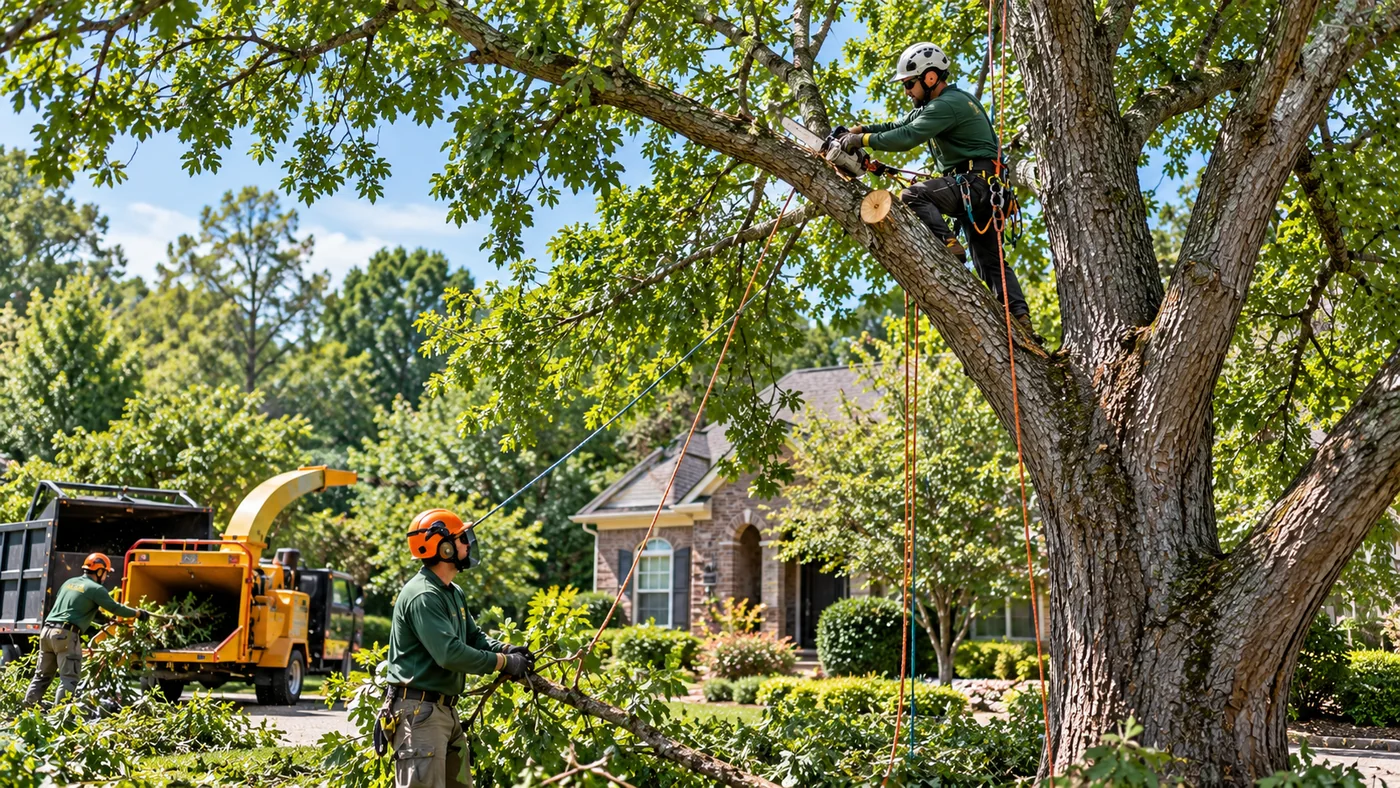
Pruning is appropriate when the tree is worth retaining and the concern can be addressed with selective cuts. Deadwood, roof clearance, crossing branches, young-tree structure, limited storm damage, or reducing load on a particular limb are examples. The goal should be specific. Removing live canopy simply to make a tree smaller can create new problems if cuts are excessive or poorly placed.
Removal becomes more reasonable when the whole tree is the problem
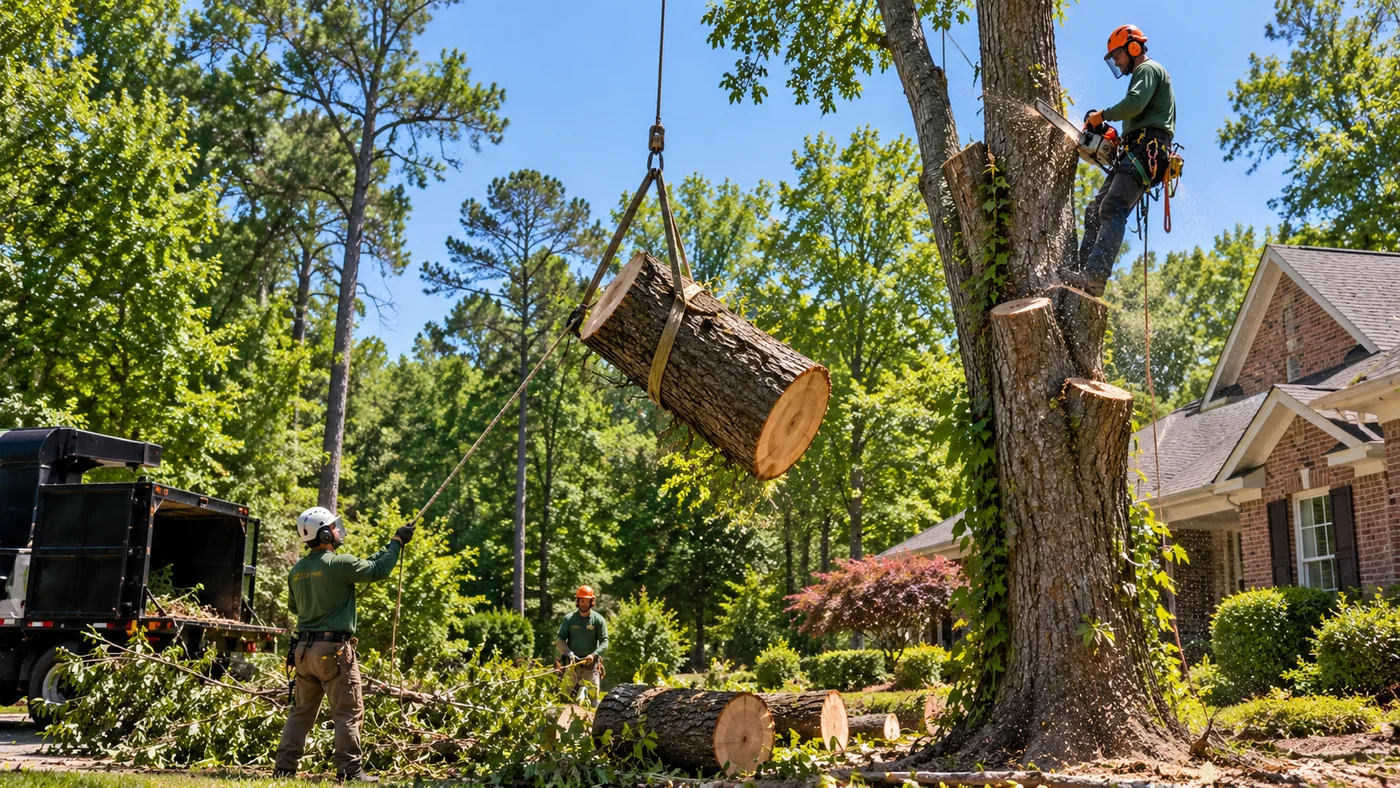
Complete removal is more likely when a tree is dead, severely declining, has major root instability, suffers catastrophic trunk failure, repeatedly sheds large limbs, has defects that cannot be reasonably managed, or conflicts with a construction plan that cannot preserve the root zone. A single ugly branch is not the same as a compromised root system. The contractor should distinguish localized defects from whole-tree problems.
Cabling can sometimes create a third option
A mature tree with a selected weak union may be a candidate for cabling or bracing combined with pruning and inspection. Supplemental support is not a guarantee and cannot correct severe decay or root failure, but it can sometimes be part of a retention strategy. Property owners who value a particular tree should ask whether support is a reasonable alternative before assuming the only choices are aggressive trimming or removal.
Cost comparisons need the same end result
Pruning usually costs less than removing a similar tree because the entire trunk and canopy do not have to be dismantled and hauled. But that does not mean repeated pruning is always economical when a tree is structurally unsound or in irreversible decline. Conversely, removing a healthy tree merely to avoid routine maintenance can sacrifice shade and landscape value unnecessarily. Compare the long-term objective, not just the first invoice.
Storm damage requires a remaining-structure assessment
After a storm, a tree can look much worse than it is because foliage and broken branches create visual chaos. Some trees can recover after damaged limbs are properly pruned. Others have lost major structural components or root stability even though part of the canopy remains green. The percentage and location of damage, trunk and root condition, and target area all matter when deciding between pruning and removal.
Ask the estimate to explain why
A useful proposal should connect the recommendation to the observed condition. If removal is recommended, ask what defect, decline, site conflict, or risk makes retention unreasonable. If pruning is recommended, ask what branches or objectives are included. If the answer is support or monitoring, ask what future inspection is needed. Clear reasoning is more valuable than a generic statement that a tree is “bad” or “needs trimming.”
When an on-site assessment helps settle the choice
Tree work is site-specific. Species, size, condition, soil, root history, access, nearby targets, jurisdiction, and the owner's goal can change the appropriate recommendation. A guide can help you recognize useful observations and understand the vocabulary, but it cannot establish that a tree is safe, diagnose a disease with certainty, or create a fixed quote for a property that has not been reviewed.
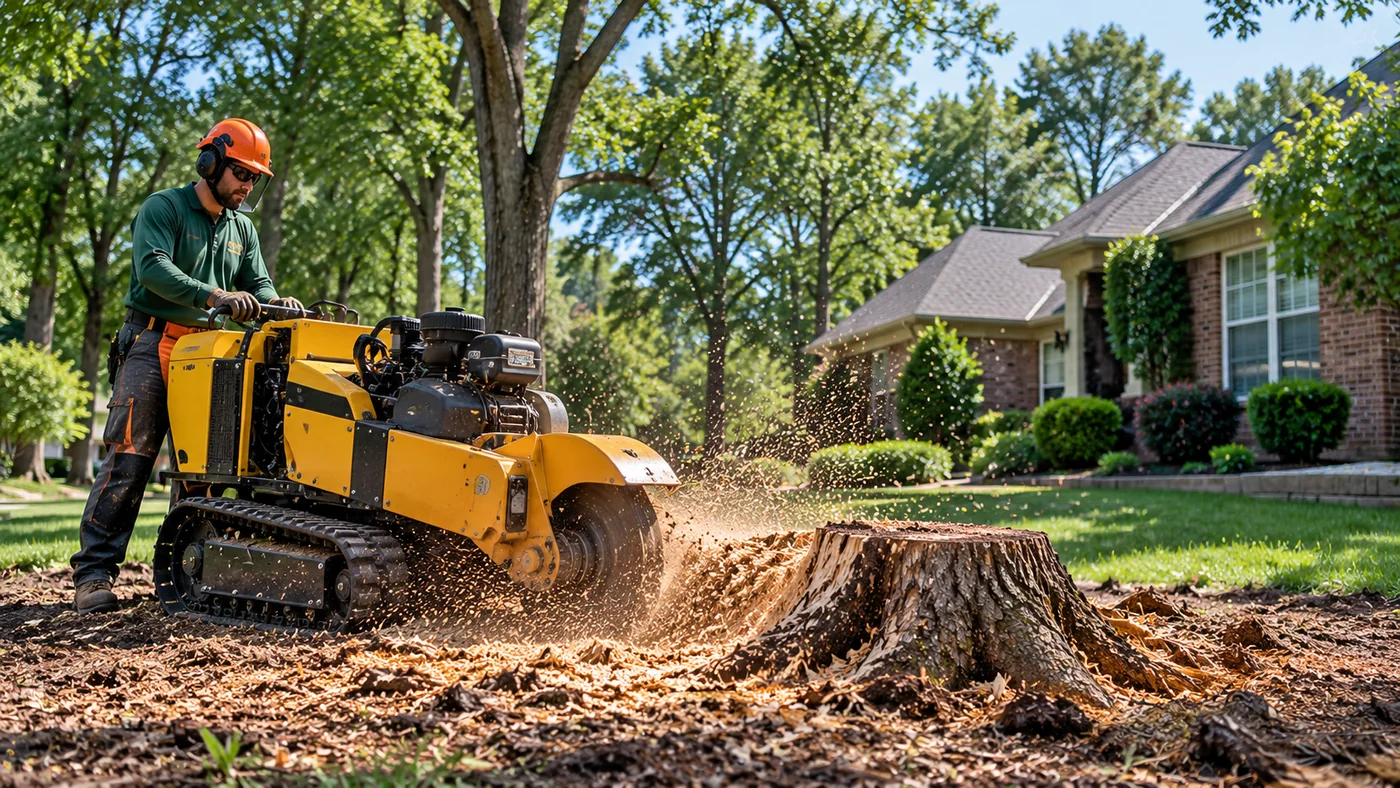
When you request an estimate, describe what you see in ordinary language. Include the service address, city and ZIP code, number of trees or stumps, rough size, nearby structures or utilities, access limitations, urgency, and any recent storm or construction history. If you have a permit, HOA requirement, site plan, or previous tree assessment, mention it so the contractor knows the administrative context too.